


Summer in Baltimore County and Harford County means longer walks, park days, hikes, and a lot more time outside with your dog. It’s the season where everyone wants to get moving again.
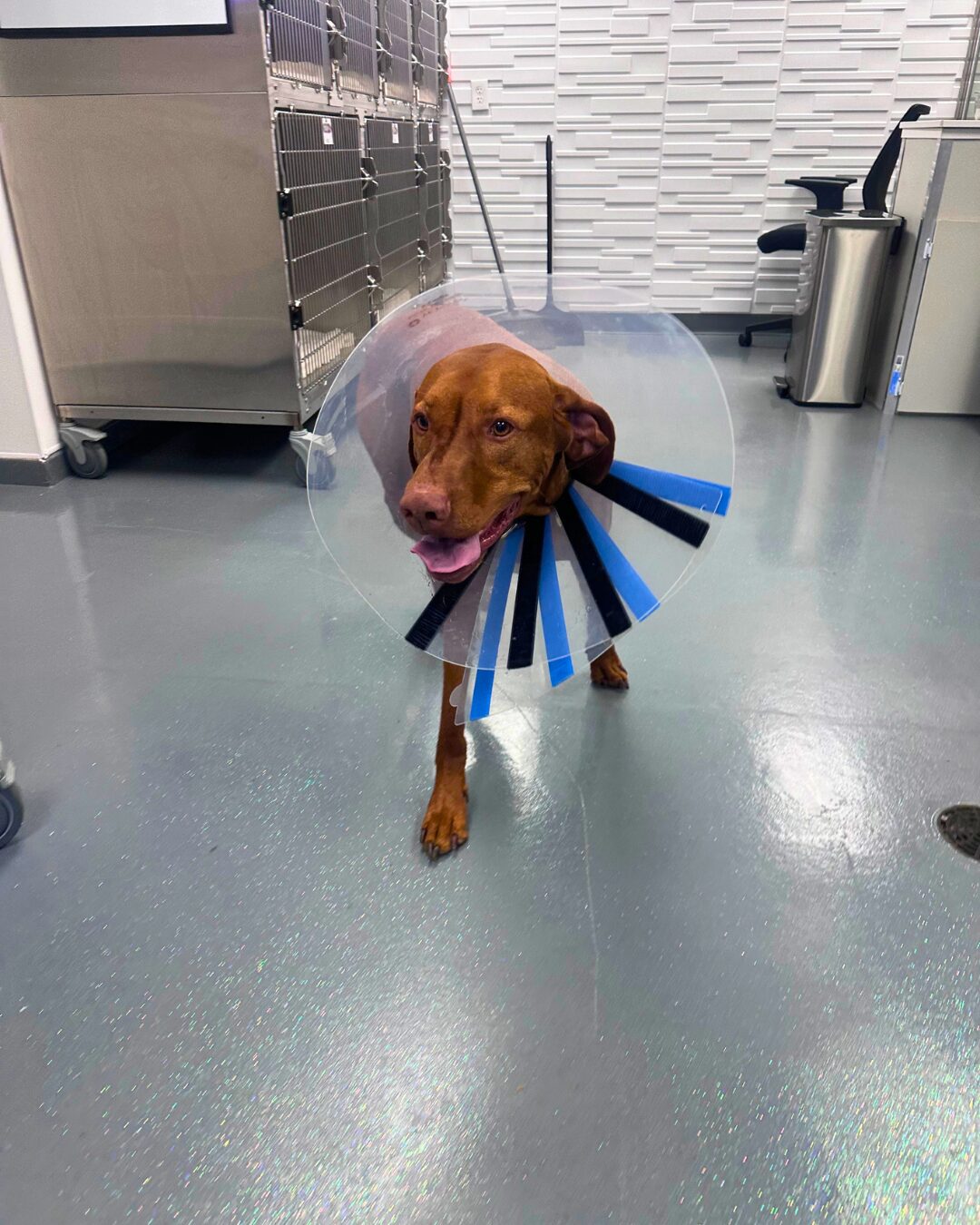
But here’s the part most people don’t think about—this is also one of the most common times we see ACL (CCL) injuries in dogs.
Why? Because many dogs go from a slower winter routine straight into high activity, and their bodies just aren’t ready for it.
The good news is that a lot of these injuries are preventable with a few simple adjustments.
1. Don’t Go From Couch to Chaos
If your dog has been taking it easy all winter, jumping straight into full-speed running, rough play, or long hikes can put serious strain on their joints.
It’s one of the fastest ways to cause a knee injury.
A good rule of thumb: if it would feel like too much too fast for you, it probably is for your dog too.
2. Build Up to Big Activities
Planning a hike at Rocks State Park or a long walk on the Ma & Pa Trail? Great—but don’t make that your dog’s starting point.
Instead:
- Start with shorter walks
- Gradually increase distance and intensity
- Add hills and uneven terrain over time
This gives your dog’s muscles time to strengthen and better support their joints.
3. Keep Weight in Check
Even a few extra pounds can make a big difference when it comes to joint stress. More weight means more pressure on the knees every time your dog runs, turns, or jumps. Keeping your dog at a healthy weight isn’t just about appearance—it’s one of the most effective ways to reduce injury risk.
4. Watch the “Weekend Warrior” Pattern
We see this all the time in both Baltimore County and Harford County: Dogs are fairly inactive during the week, then suddenly have hours of intense activity on the weekend. That stop-and-start pattern makes it harder for muscles to properly support the joints when it matters most. Consistency is key. Even moderate daily activity is better than one big burst.
5. Pay Attention to Surfaces and Movement
Not all play environments are created equal. Slippery grass, muddy yards, hardwood floors, or jumping in and out of cars can all increase the risk of a bad landing or sudden twist.
You don’t have to avoid fun—you just want to be aware of when things might get risky and step in before it turns into an injury.
Why This Matters
ACL injuries aren’t just a quick fix.
They often require:
- Surgery
- Months of restricted activity
- Careful, structured recovery
And once one knee is injured, the other is more likely to follow.
A little prevention now can save a lot of stress later.
A Local Perspective from Best Friends Fur Ever
At Best Friends Furever, we see dogs from all over Baltimore County and Harford County, especially during the busy summer months.
One thing we’ve learned? Most injuries don’t come from anything extreme—they come from small changes in routine that add up quickly.
That’s why we focus so much on:
- Structured activity
- Monitoring play
- Watching for early signs like limping or hesitation
Catching those early signals can make a big difference.
Final Thoughts
Summer should be fun, active, and safe for your dog.
You don’t need to hold them back—you just need to set them up for success by building activity gradually, staying consistent, and paying attention to how they’re moving.
If you do that, you’ll dramatically reduce the chances of dealing with an ACL injury this season.