

Summer in Maryland is made for adventures.
Long hikes at Rocks State Park. Weekends on the Chesapeake. Backyard barbecues. Pool parties. Family vacations.

Unfortunately, it’s also one of the busiest seasons for veterinary emergency hospitals.
According to five years of North American pet insurance claims data, heatstroke-related veterinary claims increase by nearly 280% during the summer months. Veterinarians also see sharp increases in insect bites, snake bites, dehydration, and other warm-weather emergencies as families spend more time outdoors with their pets.
The good news? Many of these emergencies are preventable.
Whether you’re spending the weekend in Baltimore County, hiking the trails in Harford County, or simply grilling in your own backyard, knowing what to watch for—and when it’s time to seek veterinary care—can help keep your best friend safe all summer long.
The Most Common Summer Emergencies We See Pet Parents Facing
Every season brings its own risks, but summer has a few repeat offenders.
Heat Exhaustion & Heat Stroke
Dogs don’t cool themselves the way people do. Even a short walk on a humid Maryland afternoon can become dangerous, especially for puppies, senior dogs, overweight dogs, and flat-faced breeds like Bulldogs, Pugs, and French Bulldogs.
Watch for:
- Excessive panting
- Bright red gums
- Weakness
- Vomiting
- Collapse
- Confusion
Heat stroke is a medical emergency.

Dehydration
Whether you’re hiking, boating, spending the day at a tournament, or simply relaxing in the backyard, make sure your dog always has access to fresh water and shade.
Signs include:
- Dry or sticky gums
- Lethargy
- Sunken eyes
- Heavy panting
- Loss of appetite
Paw Pad Burns
On a sunny day, asphalt and sidewalks can become much hotter than the air temperature.
If it’s too hot for the back of your hand for seven seconds, it’s too hot for your dog’s paws.
Backyard BBQ Hazards
Summer cookouts are full of tempting smells and hidden dangers.
Emergency veterinarians commonly treat dogs that have eaten:
- Corn cobs
- Wooden skewers
- Cooked bones
- Onions
- Grapes
- Alcohol
- Fatty table scraps
- Chocolate desserts
Corn cobs and BBQ skewers are especially dangerous because they can become lodged in the intestines and often require surgery to remove.
Bee Stings & Insect Bites
Most bee stings cause temporary swelling.
However, if your dog develops facial swelling, difficulty breathing, repeated vomiting, or suddenly collapses, seek veterinary care immediately.
Snakes, Ticks & Wildlife
Summer is also peak season for:
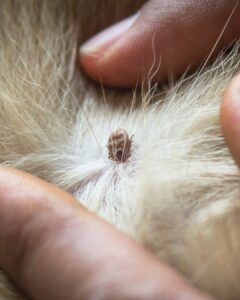
- Tick bites
- Lyme disease exposure
- Snake encounters
- Wildlife interactions
Keeping your dog on-leash during hikes and using year-round parasite prevention can go a long way toward preventing problems.
Should I Call My Veterinarian, Urgent Care, or the Emergency Hospital?
One of the biggest questions pet parents have is simply:
“Where do I go?”
Here’s a general guide.
| Your Primary Veterinarian | Veterinary Urgent Care | Emergency Hospital |
|---|---|---|
| Wellness exams | Vomiting or diarrhea | Difficulty breathing |
| Vaccinations | Ear infections | Heat stroke |
| Skin allergies | Minor wounds | Seizures |
| Routine limping | Eye injuries | Collapse |
| Medication refills | Limping after hours | Hit by a vehicle |
| Routine illness | Mild allergic reactions | Suspected poisoning |
| Nail trims | Persistent vomiting | Severe abdominal swelling or suspected bloat |
When in doubt, call your veterinarian first. Even after hours, many veterinary hospitals provide guidance on whether your dog should be seen by your regular veterinarian, an urgent care clinic, or an emergency hospital.
What Happens When You Arrive at an Emergency Hospital?
If you’ve never been to an emergency veterinarian before, one thing often surprises pet parents.
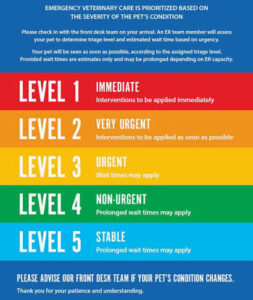
You might not be seen in the order you arrived. Like a human emergency room, veterinary emergency hospitals use a system called triage.
Every patient is evaluated shortly after arriving, and the most critical patients are treated first.
For example:
- A dog struggling to breathe will likely be taken directly into treatment.
- A dog experiencing seizures or heat stroke will receive immediate attention.
- A dog with a torn nail or mild vomiting may have to wait, even if they arrived earlier.
That doesn’t mean your dog isn’t important. It simply means another patient needs life-saving care first.
Understanding how triage works helps make the waiting room a little less stressful.
Before You Leave Home
If you have a few extra minutes, bring:
- A list of current medications
- Medical records, if available
- Pet insurance information
- A list of symptoms you’ve noticed
- Photos or videos if the issue isn’t happening consistently
Don’t worry if you don’t have everything. The veterinary team can still begin caring for your pet.
Local Emergency & Urgent Care Resources
If you’re in Baltimore or Harford County, it’s helpful to know where your closest emergency hospitals are before you need them.
Baltimore County
24-Hour Emergency & Critical Care
Located at 10626 York Rd, Cockeysville, MD. (Phone: (410) 252-8387)
Located at 1423 Clarkview Rd #200, Baltimore, MD. (Phone: (410) 825-9100)
VEG ER for Pets (Pikesville)
Located at 1858 Reisterstown Rd, Pikesville, MD. (Phone: (410) 793-4910)
Daytime & Evening Urgent Care
Located at 11121 York Rd, Cockeysville, MD. (Phone: (443) 318-6500)
Located at 6575 Eastern Ave, Baltimore, MD. (Phone: (410) 633-8808)
Thrive Pet Healthcare (Catonsville)
Located at 32 Mellor Ave #C, Catonsville, MD
Harford County
24-Hour Emergency & Critical Care
Animal Emergency Hospital – Bel Air
Located at 807 Belair Road, Bel Air, MD 21014 (Phone: 410-420-7297)
Daytime & Evening Urgent Care
Homeward Bound Veterinary Urgent Care
Located at 305 S. Atwood Rd, Bel Air, MD 21014 (Phone: 443-617-9836)
Located at 2615 Belair Rd, Fallston, MD 21047 (Phone: 410-877-1727)
Before leaving home, call ahead whenever possible. The hospital can prepare for your arrival and let you know about current wait times or any special instructions.