
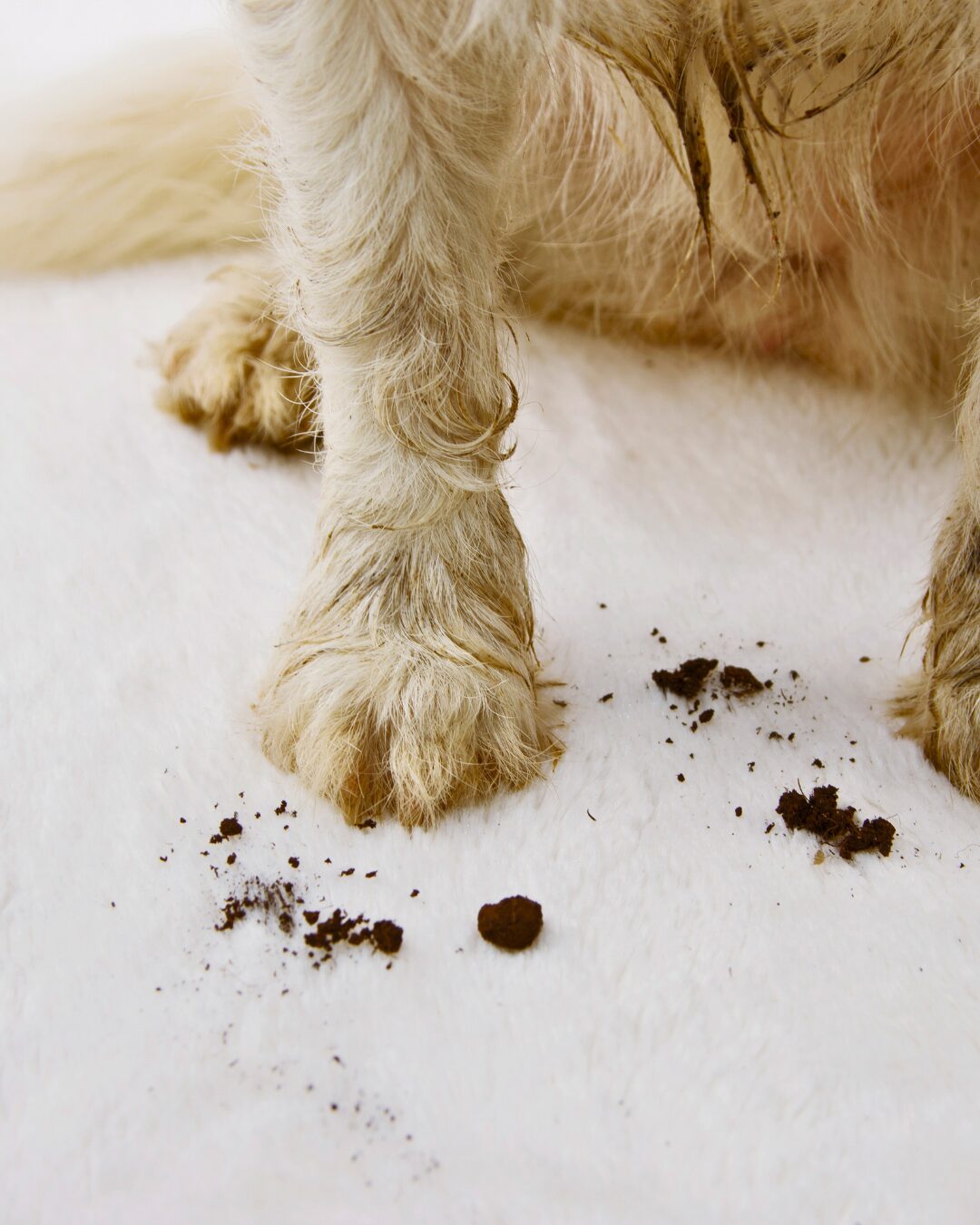

Winter in Maryland is adorable… until the snow melts and everything turns into a soggy, salty mud puddle.
If you live in Cockeysville or Harford County, you know exactly what happens next: your dog goes outside for five minutes, comes back in looking like they made a personal mission out of finding the grossest snow pile on the block, and then hops directly onto your bed like nothing happened.
And while winter weather is fun for pups, it’s also one of the hardest seasons on their skin and coat. At Best Friends Furever, we see an increase in winter coat issues every year—especially in doodles and long-coated dogs.
Let’s talk about how to keep your dog healthy, fluffy, and not tracking half of Maryland into your house.
Fluffy Winter Coats Are Cozy… and High Maintenance
A lot of pet parents choose to keep their dog’s coat longer during winter to help them stay warm. Totally understandable. But here’s the part most people don’t realize:
The longer the coat, the more maintenance it needs.
Winter coats act like little sponges. They trap moisture, salt, dirt, and debris. That buildup clings to the hair, creates tangles, and can lead to matting faster than you’d expect, especially if your dog is wearing sweaters, harnesses, or rolling around in wet grass.
If you want that cute fluffy winter look, you need to stay consistent with grooming and coat care between appointments.
Yes, Regular Baths Still Matter in Winter
Many pet parents assume bathing in winter will dry out their dog’s skin, so they stretch grooming appointments longer than usual.
But the truth is, professional bathing can actually prevent winter skin issues—because it removes salt, grime, and buildup that irritates the skin and tangles the coat.
When your dog isn’t bathed regularly, their coat starts to collect debris that clings tightly to the hair. Dirt builds up at the roots, moisture gets trapped close to the skin, and tangles begin tightening into mats.
A proper bath and blow-dry keeps the coat clean, soft, and easier to brush through. It also helps prevent hot spots, itchiness, and that classic winter funk smell that shows up out of nowhere.
Doodles + Winter Weather = Matting Season
If you have a Goldendoodle, Labradoodle, Bernedoodle, or any curly-coated mix, winter can be a rough time.
Doodle coats are incredibly prone to matting because the hair tangles easily and tightens quickly when damp. Even when a doodle looks fluffy on top, mats can be forming underneath the surface—especially around the ears, armpits, belly, collar area, and legs.
Winter makes it worse because everything is wet. Snow, slush, rain, and muddy grass all stick to curly coats like velcro. Add in sweaters and harness friction, and you’ve got the perfect storm for matting.
If you want to keep your doodle longer through winter, maintenance between grooms isn’t optional—it’s the only way to avoid needing a shave-down.

The #1 Winter Coat Mistake: Letting Your Dog Air Dry
Air drying might seem harmless, but it’s one of the fastest ways to create mats.
When a curly or thick coat dries naturally, the hair twists together, tightens, and clumps. If your dog comes inside wet and curls up to dry on their own, those damp tangles can become full mats in a surprisingly short amount of time.
This is why regular professional baths with full blowouts are so important during winter—especially for doodles.
Paw Pad Grooming: The “Ew, Why Is This In My Bed?” Problem
Let’s talk about paws. Because winter paws are a situation.
During snow melt season, dogs pick up salt, mud, slush, sand, and debris—then immediately bring it inside and jump onto the couch like they pay rent.
One of the best things you can do during winter is trim and shave the fur between paw pads. That fur acts like a mop, collecting dirt and holding onto moisture.
Keeping paw pads trimmed helps prevent the gross buildup that gets tracked through your home. It also reduces the chance of ice balls forming between the toes and makes paw wiping much easier.
And yes… it’s a game changer for keeping your bed from becoming a mud zone.
Hot Spots and Winter Skin Irritation Are Real
Hot spots are often thought of as a summer issue, but winter hot spots are extremely common.
When moisture gets trapped under a thick coat—especially under mats—it can create skin irritation quickly. Dogs may start licking, scratching, and chewing areas that feel uncomfortable. Salt buildup and dry indoor heat can also make skin more sensitive during the winter months.
Mats don’t just look messy. They pull on the skin, trap moisture, and can become painful. In some cases, matting can even hide irritation that’s happening underneath.
Want to Keep Your Dog Long This Winter? Brushing Has to Be Consistent
Brushing is the key to maintaining a longer winter coat. But surface brushing isn’t enough.
If you only brush the top layer, tangles underneath can still tighten into mats. Winter coats need brushing down to the skin, especially in friction areas like behind the ears, under the collar, around the legs, and under the belly.
For doodles, consistent brushing is the difference between “teddy bear” and “shave-down.”
How Often Should Dogs Be Groomed in Winter?
If your goal is to keep your dog warm with a longer coat, the best winter plan is staying on a regular schedule.
Most dogs with longer coats benefit from a bath and brush-out every few weeks, and full grooming appointments every month or so depending on coat type. Doodles usually need more frequent maintenance because their coats mat quickly, even when they look fine at first glance.
Consistency is what keeps coats healthy, soft, and manageable.
Winter Grooming in Cockeysville & Harford County
At Best Friends Fur Ever, we help dogs throughout Cockeysville and Harford County stay clean, comfortable, and mat-free all winter long with professional bathing, blowouts, brush-outs, paw pad grooming, and coat maintenance plans.
Because winter is fun… but snow melt season is here.
And your bed deserves better.
BFFE’s services include premier dog daycare, dog boarding, dog spa services, and dog enrichment programs. Proudly serving the following areas in Maryland: Towson, Abingdon, Timonium, Edgewood, Mays Chapel, Reisterstown, Owings Mills, Nottingham, White Marsh, Parkville, Dundalk, Perry Hall, Bel Air, Rosedale, Havre de Grace, Middle River, Aberdeen, Lutherville, Lutherville-Timonium, Kingsville, Sparks, and Pikesville.